U.S. Unveils 2025-2030 Dietary Guidelines with ‘Inverted’ Food Pyramid
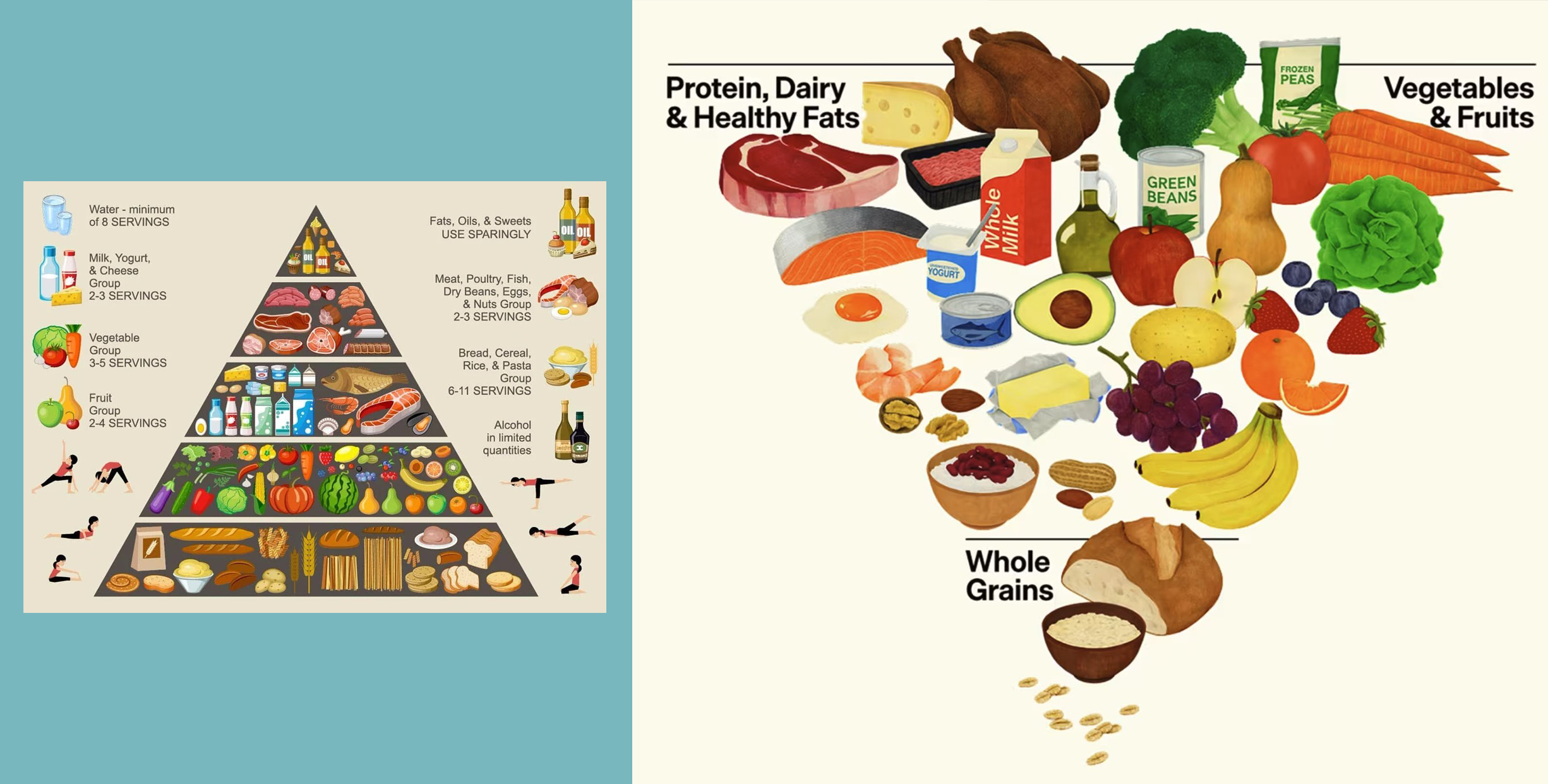
The U.S. Department of Health and Human Services (HHS) and the U.S. Department of Agriculture (USDA) released the Dietary Guidelines for Americans, 2025-2030, on January 7, 2026, introducing significant changes to federal nutrition recommendations. Described by officials as the “most significant reset of federal nutrition policy in decades,” the updated guidelines emphasize whole, nutrient-dense foods while discouraging highly processed items and added sugars.HHS Secretary Robert F. Kennedy Jr. and USDA Secretary Brooke Rollins presented the guidelines at a White House briefing, aligning them with the “Make America Healthy Again” initiative. The guidelines revive the food pyramid visual aid—absent since 2005—and present it in an inverted form to highlight priority food groups.
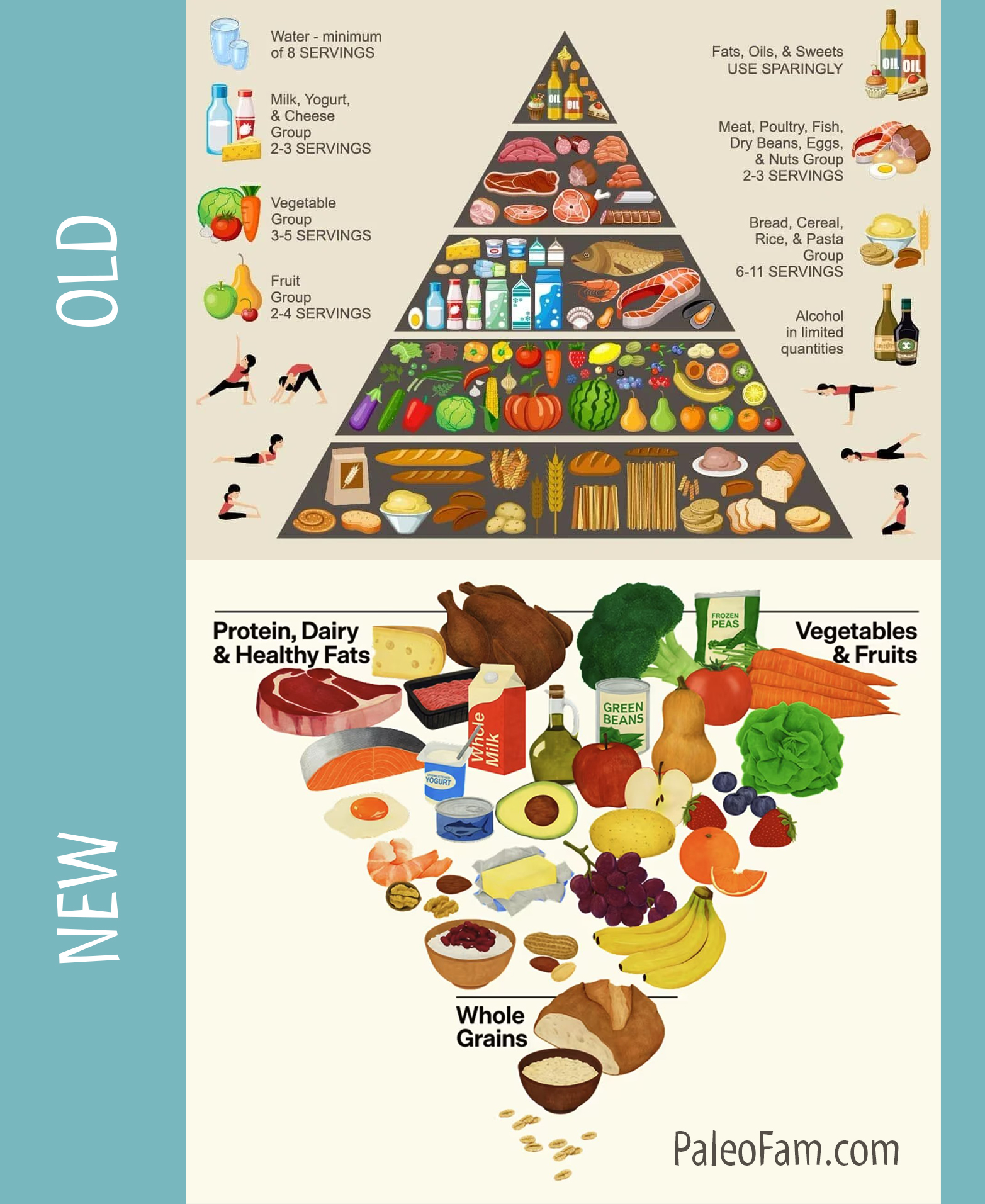
The new inverted pyramid places protein, dairy, healthy fats, vegetables, and fruits at the widest section (top), indicating they should form the foundation of daily meals. Whole grains occupy the narrowest section at the bottom, suggesting more moderate consumption. This contrasts sharply with the 1992 USDA Food Guide Pyramid, which featured grains (6-11 servings) as the broad base.Key recommendations in the 2025-2030 guidelines include:
- Prioritizing high-quality protein from sources such as meat, poultry, seafood, eggs, and dairy, with a new intake range of 1.2 to 1.6 grams per kilogram of body weight daily—higher than previous advice.
- Encouraging full-fat dairy options and “healthy fats,” including those from animal sources like butter and beef tallow, while maintaining a limit on saturated fats at no more than 10% of daily calories.
- Recommending abundant fruits and vegetables (at least five servings per day) and whole grains, but in smaller proportions relative to proteins and fats.
- Strongly advising against highly processed foods, refined carbohydrates, and added sugars, with explicit warnings about sugar-sweetened beverages.
- Promoting an “eat real food” approach to support gut health, reduce chronic disease risk, and address issues like obesity and prediabetes.
The guidelines replace the MyPlate icon introduced in 2011 and are based on a review of scientific evidence, though the administration conducted a line-by-line assessment of the 2025 Dietary Guidelines Advisory Committee’s report from the prior year.Reactions to the update have been mixed. Supporters praise the focus on whole foods and limits on processed items, while some nutrition experts express concern over the elevated role of animal proteins and full-fat dairy, citing potential impacts on cardiovascular health.The Dietary Guidelines for Americans, updated every five years since 1980, inform federal nutrition programs, including school meals, and serve as a reference for public health policy. The full document is available at realfood.gov